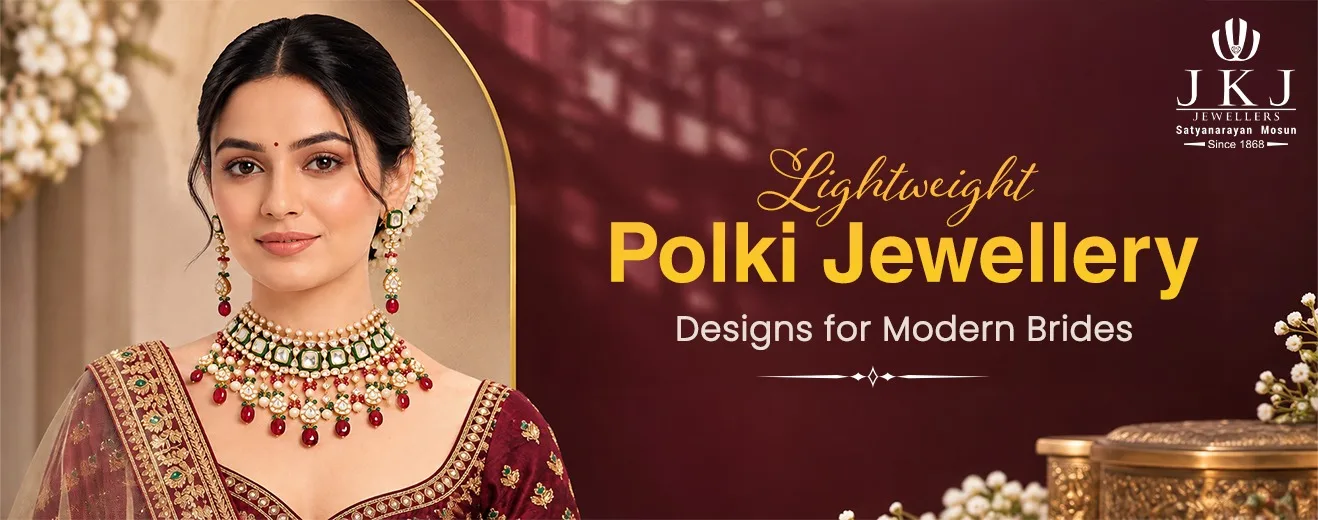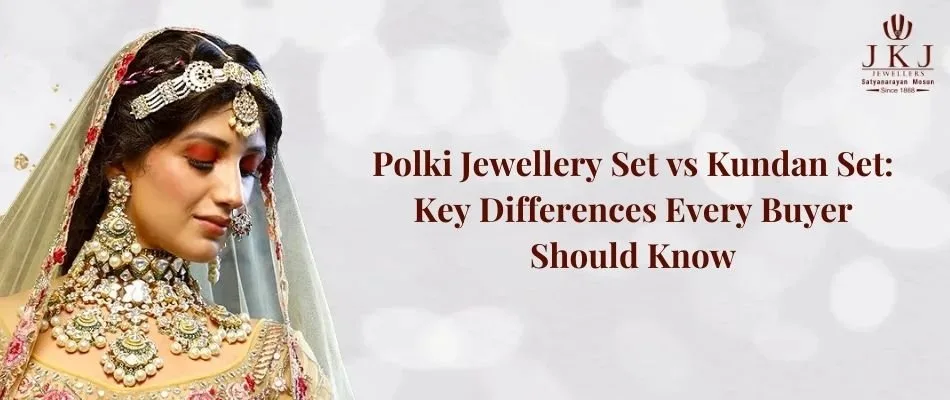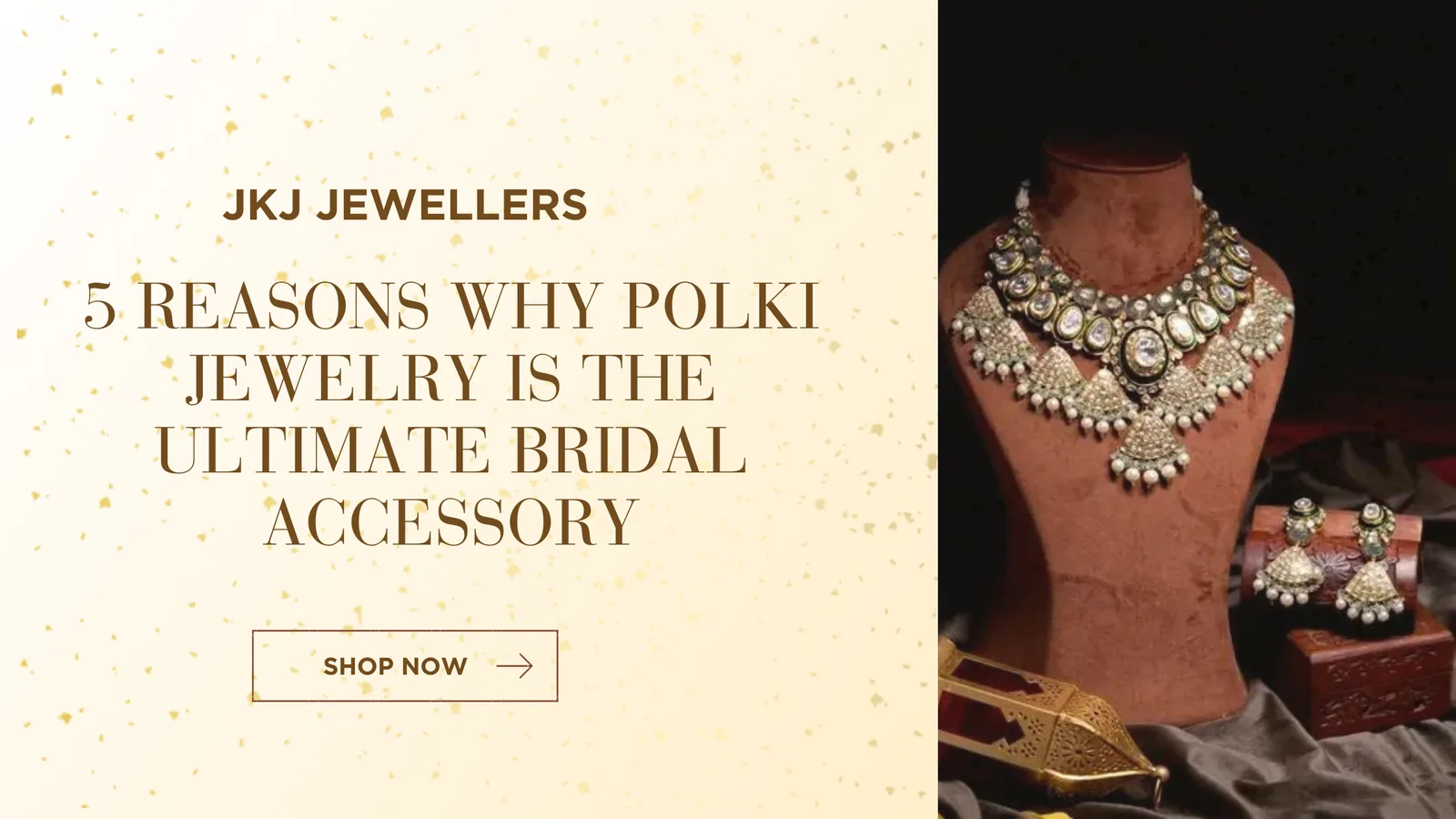
Polki Jewellery Sets for Brides: From Engagement to Reception
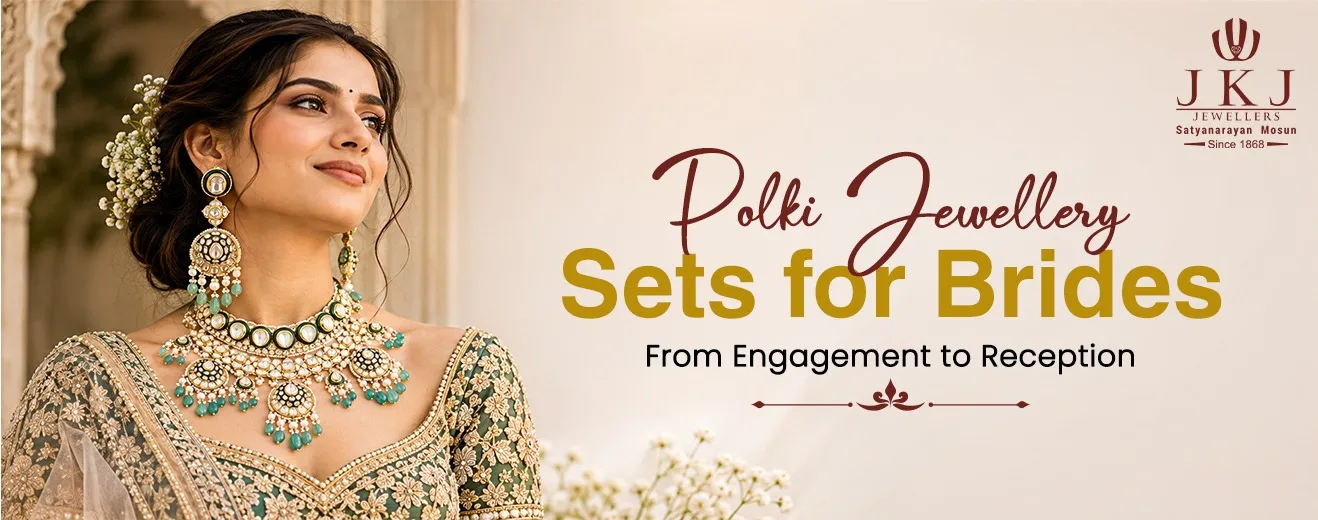
Polki holds a special place in Indian bridal styling because the jewellery adapts to each stage of the wedding. A bride may choose one design for the engagement, a lighter pair for mehendi and haldi, and heavier designs for the ceremony and reception. Outfit, occasion and personal taste guide every decision. Jaipur has long been associated with this craft, and the best jewellers in Jaipur have trained karigars for setting and finishing.
Well-chosen Polki jewellery sets for brides follow the calendar of celebrations instead of a single look. Those seeking the best Polki jewellery in Jaipur should prefer jewellers with a verifiable record.
Why Polki Jewellery Is a Popular Choice for Indian Brides
Polki is among the oldest diamond jewellery traditions in India, and its link with the Mughal and Rajput courts still shapes how families regard it. Families often pass down bridal Polki jewellery from mother to daughter, which gives each piece a personal history in addition to its value.
The stones are natural diamonds left uncut or only lightly shaped, so they reflect light with a soft and even glow instead of the sharp sparkle of a faceted brilliant. Jewellers set them in gold using the kundan technique, place foil beneath each stone, and frequently finish the reverse with meenakari enamel in red, green and blue. Every piece requires many hours of handwork, which explains why no two designs are exactly alike.
The warm gold and muted sparkle of Polki suit the zari, zardozi and thread embroidery found on bridal lehengas, while the weight of a Banarasi or Kanjeevaram saree can carry a broad necklace without looking crowded. Anarkalis, with their longer lines and structured necklines, pair well with a choker or a compact collar set.
Polki is not limited to classical styling either. Slimmer settings, rose gold finishes and geometric patterns allow the same stones to work with pastel lehengas, minimalist sarees and contemporary silhouettes, which gives a bride a modern option without giving up the character of handcrafted jewellery.
Choosing the Right Polki Jewellery Set for Every Wedding Function
Indian weddings extend over several days, and each function has its own dress code, colour palette and level of formality. Planning Polki bridal jewellery sets function by function helps a bride avoid repeating the same look and keeps the weight and detailing of every piece suitable for the occasion.
Engagement Ceremony – Elegant Polki Necklace Sets
Engagement looks are more about refinement. A slim Polki necklace with a pendant, worn with matching earrings, adds polish without drawing attention away from the ring ceremony.
Delicate necklaces in gold with small uncut stones suit gowns and pastel sarees, while engagement lehengas in ivory, powder blue or blush pair well with pearl-accented drops.
Mehendi Ceremony – Colourful and Lightweight Polki Jewellery
Mehendi calls for brighter colours, and gemstone Polki designs fit the setting well. Sets studded with emeralds, rubies or pink tourmalines, or backed with green and pink meenakari, complement yellow, orange and green outfits.
Floral motifs such as lotus petals and leaf clusters reflect the playful atmosphere, and statement earrings like chandbalis or jhumkas draw attention to the face while the hands are busy with henna. When the outfit already carries bold prints or mirror work, a compact necklace keeps the styling balanced.
Haldi Ceremony – Minimal and Comfortable Jewellery
Haldi is a daytime ritual with turmeric paste, flowers and plenty of movement, so comfort decides the jewellery. Small Polki studs or light drop earrings with a delicate necklace work best against the yellow and white cotton or silk outfits usually worn.
Pieces with a smooth back and a secure clasp avoid snagging and scratching, and compact shapes remain steady during the rituals.
Wedding Ceremony – Traditional and Grand Polki Bridal Sets
The wedding ceremony is the occasion for full bridal adornment. A heavy Polki necklace set forms the centre of the look, usually supported by a layered arrangement of a choker at the neck, a mid-length necklace and a longer haar.
Matching earrings, a maang tikka and, depending on regional custom, a nath or passa complete the set. Red, maroon and deep green bridal lehengas, as well as Banarasi and Kanjeevaram sarees, can carry this scale of jewellery because their fabrics and embroidery are equally rich.
Reception – Modern and Statement Polki Jewellery
Receptions allow a modern approach. Contemporary Polki necklaces with cleaner lines, geometric patterns or rose gold finishes suit modern lehengas and designer gowns in jewel tones, metallics and pastels.
A pair of statement earrings with one elegant necklace usually produces a sharper effect than a layered arrangement, and it leaves the outfit as the main feature.
Popular Polki Jewellery Designs Every Bride Can Consider
Polki designs differ in length, structure and ornamentation, so understanding the main categories helps in matching each piece to an outfit. Among the Polki necklace sets available today, four styles appear most often in bridal collections.
Polki Choker Sets
A choker follows the base of the neck and is available in classic temple patterns as well as sleeker contemporary forms with pendants or tassels. It works particularly well with deep-neck bridal blouses, since the open neckline gives the piece space and draws attention to the collarbone. With a high-neck outfit, a lighter choker avoids crowding the garment.
Layered Polki Necklace Sets
Layered sets combine strands of different lengths, such as a choker, a mid-length necklace and a longer pendant, to create the full look associated with grand bridal appearances. The strands should be spaced a few inches apart so that each remains visible instead of overlapping, and a shared motif or stone colour across the layers keeps the arrangement coordinated.
Polki Rani Haar Sets
The Rani Haar is a long necklace that falls well below the chest, often reaching the waist, and carries large pendants or clusters of stones. It forms an important part of traditional Polki jewellery in Rajasthani and North Indian weddings. Brides frequently wear it over a shorter necklace or choker, so that the long line and the close collar complement each other.
Polki Necklace and Earring Sets
Coordinated sets share motifs, stone arrangements and finish, so the necklace and earrings read as a single design. Earring size should follow the necklace, with larger chandeliers accompanying simpler necklaces and smaller studs or jhumkis suiting broad chokers.
Experienced Polki jewellery manufacturers in Jaipur workshops usually craft the pair together, which helps maintain consistent proportions, stone quality and gold tone.
How to Choose the Right Polki Jewellery for Your Bridal Outfit
To choose the right Polki jewellery for a given outfit, a bride can narrow the options with the following guidelines.
- Match the necklace style to the neckline of the lehenga blouse, saree blouse or gown, so that the jewellery frames the garment instead of covering it.
- Coordinate the gold tone and gemstone colours with the embroidery, zari work and dupatta border of the outfit.
- Pair heavy jewellery with simpler outfits and lighter jewellery with heavily embroidered ones, so that one of the two remains the main feature.
- Factor in face shape when selecting earrings and necklaces, since longer drops tend to elongate round faces while wider, rounder designs soften long or angular ones.
- Select jewellery according to comfort, occasion and personal style, because a piece that feels heavy or awkward affects how the bride carries the entire function.
Tips for Selecting the Perfect Polki Bridal Jewellery Set
- Examine the Polki stones for authenticity, look for even gold work and clean handcrafted detailing, and ask the jeweller for a proper invoice and certificate.
- Weigh each piece and wear it for a few minutes before buying, since weight affects comfort over a long ceremony.
- Inspect the finishing, stone setting and clasps carefully, because secure settings and smooth backs protect both the jewellery and the skin.
- Choose versatile designs that can be worn again at festivals and family events, since a well-selected Polki jewellery for wedding purchase retains its usefulness long after the celebrations.
- Select pieces that complement the full wedding wardrobe, so that every function has a suitable set.
Conclusion
Polki jewellery adapts to each stage of a wedding, from slim engagement necklaces and colourful mehendi pieces to heavy ceremonial sets and contemporary reception designs. Brides who select jewellery according to outfit, comfort and personal preference achieve a coordinated look across every function.
JKJ Jewellers offers a Polki jewellery collection shaped by Jaipur's craft traditions, and its range of Polki jewellery sets for brides covers the needs of each celebration.
FAQs
Which Polki jewellery set is best for a bride?
The best set depends on the outfit, the function and the bride's comfort. For the main ceremony, a layered necklace with a choker, matching earrings and a maang tikka suits heavy bridal lehengas and sarees, while slimmer sets are better for engagement and haldi. Matching the neckline and gold tone to the outfit gives the most coordinated result.
Can brides wear Polki jewellery for engagement and reception?
Yes. Engagement looks suit slim necklaces and delicate earrings with gowns or pastel sarees, and receptions allow statement earrings and contemporary designs with modern lehengas. Adjusting the scale and the number of layers keeps the jewellery appropriate for each function.
Does Polki jewellery look good with modern bridal outfits?
Yes. Polki pairs well with modern lehengas, designer gowns and contemporary sarees when the design is simple. Minimal necklaces, rose gold finishes and geometric patterns give the uncut diamonds a modern look. Their soft sparkle works with both pastel and jewel-toned fabrics.
How can brides maintain Polki jewellery after the wedding?
Store Polki pieces in a soft, lined box and keep them apart from other jewellery to prevent scratches. Avoid contact with perfume, water and cleaning chemicals, since moisture can damage the foil and enamel work. Wipe each piece with a dry and soft cloth after wearing. Professional cleaning by a trusted jeweller once a year, or after a long storage period, helps preserve the settings.
Visit JKJ Jewellers, Jaipur
See the designs in person and get honest advice from our team at any of our four showrooms.